Office Hours: Monday - Sunday: Open 24 Hours

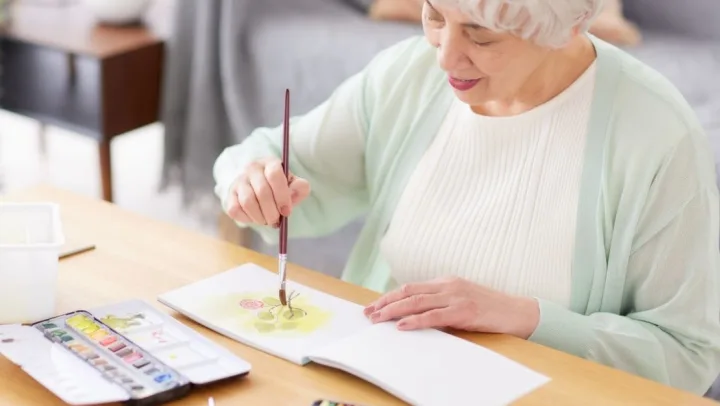
Memory care in Guthrie and beyond is discovering that creativity holds remarkable power for cognitive health. Art activities engage different brain regions, strengthening memory recall, sharpening problem-solving abilities and extending attention spans. These creative moments do more than occupy time—they calm agitation and lift spirits in ways that surprise families and caregivers alike.
Craft-based therapies in memory care offer powerful emotional, cognitive and social benefits that can significantly improve quality of life for seniors with dementia.
This blog will travel you through ideas for practical cognitive activities using crafts and explain how they can help improve cognitive function in memory care.
What are the Four Most Effective Cognitive Stimulation Activities for Seniors Using Simple Crafts in Memory Care?
Different crafts resonate with distinct aspects of the human experience. When you’re caring for someone with memory challenges, understanding which activities might resonate most deeply can guide your choices. Memory care environments benefit from this variety because each person brings their own history, preferences and abilities to creative expression.
1. Painting and drawing for self-expression
Something profound happens when a brush touches canvas. Seniors often find ways to communicate thoughts and feelings that words may not fully capture. The brain responds to painting in measurable ways. Creative thinking pathways light up, anxiety levels drop and focus sharpens during these quiet moments of artistic engagement. Individuals who engage in artistic activities experience notable improvements in cognitive functioning and are at a lower risk of developing dementia.
2. Clay and ceramics for tactile stimulation
Clay offers something unique: a direct conversation between hands and material. Pottery workshops designed for individuals with dementia revealed significant improvements in mood and self-esteem (Pérez-Sáez, E. et al 2020) which occurred regardless of the level of cognitive decline. Participants exhibited increased sustained attention, pleasure and feelings of normalcy, while experiencing notably less negative emotion and sadness.
The texture matters deeply here. Clay’s softness and smoothness create an inherently calming experience for people with dementia. Kneading requires pressure and intention, giving individuals a way to work through anxiety and frustration without needing words.
3. Textile crafts like knitting and weaving
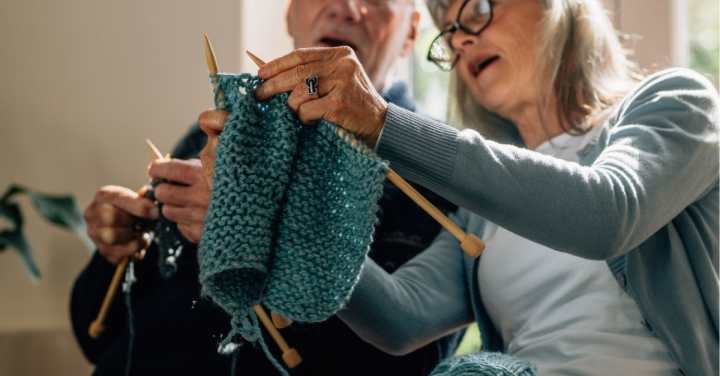
Hands remember what minds sometimes forget. Knitting, sewing and crocheting tap into deep muscle memory while keeping fingers active and coordination sharp. Crocheting contributes explicitly to personal well-being, helping people feel calmer, more productive and genuinely happier. These repetitive motions serve as natural anxiety reducers while creating something tangible and purposeful.
4. Collage and scrapbooking for reminiscence therapy
Collage removes the intimidation factor that sometimes comes with other art forms. People with cognitive impairment often feel more confident approaching this accessible creative outlet. The process itself becomes therapeutic—choosing images, arranging them and naturally beginning to share the stories they evoke.
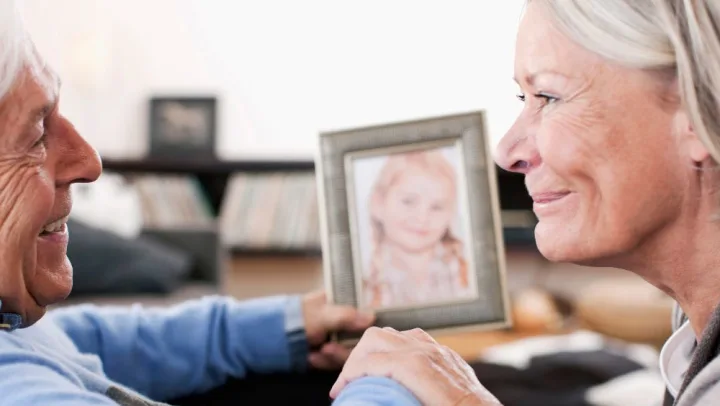
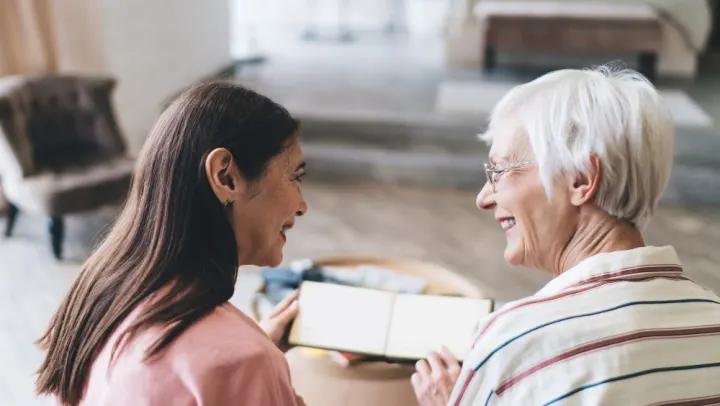
Memory scrapbooks offer unique support for cognitive health and emotional well-being. They engage the brain regions tied to long-term memory and decision-making, which is vital for helping individuals maintain their sense of self and personal history.
How do Crafts Support Cognitive Function in Seniors with Dementia?
Creative activities work far more than simple entertainment for seniors with dementia. Arts participation meaningfully increases well-being, enhances cognitive status and reduces depression and anxiety.
Stimulating memory recall through themed projects
Memory collages and scrapbooking serve as bridges to the past, helping to bring back specific memories through visual storytelling. Each choice of material, each arrangement of images, gently exercises the brain’s memory centers. The creative process itself becomes a form of cognitive therapy, one that feels natural and meaningful rather than clinical.
Encouraging problem-solving and decision-making
Every craft project presents small decisions that matter more than they might seem. Choosing colors, selecting materials, deciding on techniques—these moments engage the executive function in ways that feel purposeful.
Improving attention span and focus
Crafting asks for something precious in our distracted world: sustained attention. Activities like painting or assembling puzzles help seniors tune out distractions and find a sense of presence in the moment. This focused engagement builds neural pathways that support cognitive function and creative activities, meaningfully reducing cognitive decline, while improving quality of life.
Activating multiple brain regions simultaneously
What makes crafts particularly powerful is their ability to work as multimodal interventions. When someone creates artwork, their brain forms new connections between different areas while strengthening existing neural pathways. This multiregional activation helps the brain maintain its ability to adapt and remain flexible, even in the presence of dementia.
Let’s Get Crafty
Crafts represent something profound in memory care—they’re bridges that connect who our loved ones were with who they remain today. Creative activities do more than fill time; they actively support cognitive function, emotional stability and social connection in ways that make them essential components of quality memory care programs.
Craft therapy is exceptionally valuable because it’s so adaptable. Providers match activities to individual needs, such as using clay for tactile comfort or textile arts for fine motor skills. This ensures that whether a resident is expressing themselves through painting or sparking memories with collage, there’s a creative outlet that is accessible and meaningful at every stage of their memory journey.
When you’re ready to explore what craft-based therapy might offer your loved one, call Iris Memory Care of Edmond at (405) 689-9733 to schedule a tour. Seeing our approach firsthand can help you understand how the right environment supports both emotional well-being and cognitive health through the power of creative expression.
FAQs
Q1. How can arts and crafts help seniors with dementia?
Creative activities can boost memory, focus and mood. They also help reduce agitation and provide seniors with a means to express themselves and connect with others.
Q2. What kinds of crafts work best in memory care?
It depends on the person, but activities like painting, clay work, knitting and scrapbooking are great options. Each one supports different skills — from motor control to memory and self-expression.
Q3. Do creative activities really help the brain as we age?
Yes! Arts and crafts engage different parts of the brain, aiding memory, problem-solving and focus. They’ve even been linked to slower cognitive decline in older adults.