Office Hours: Monday - Sunday: Open 24 Hours

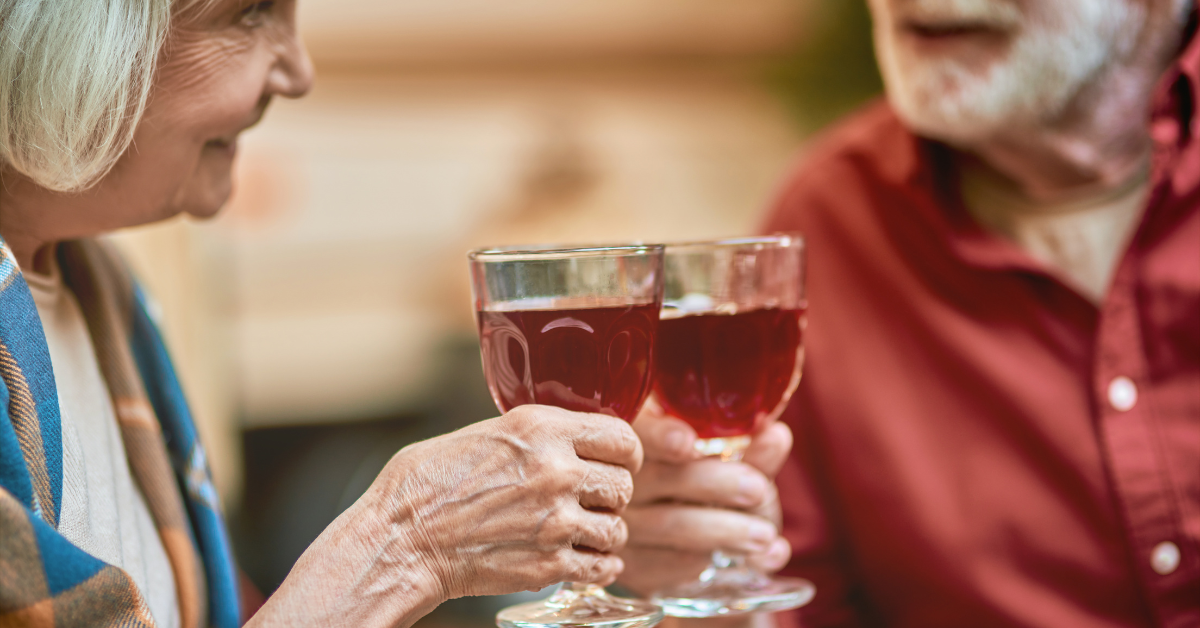
That evening glass of wine or familiar weekend beer can feel like a small comfort for your loved one and for you. But when dementia enters the picture, understanding the connection between dementia and alcohol becomes important. Many families quietly wrestle with whether alcohol is still risk-free and how it may affect their loved one’s well-being.
Deciding whether alcohol is risk-free for someone you care for is rarely black and white.
This article walks through what the research actually says, what warning signs to watch for and how to have a clear-eyed conversation with your loved one’s doctor about what’s right for them.
What Are the Risks of Alcohol for Someone With Dementia?
Alcohol can worsen confusion, affect balance and interact with medications, making it an important concern for people living with dementia. Research published found that alcohol consumption may increase dementia risk at any level, challenging earlier beliefs about the potential benefits of moderate drinking. (University of Oxford, 2025)
For someone who already has dementia, alcohol may make everyday challenges more difficult. Its effects on coordination, memory and alertness can increase comfort concerns and complicate daily care.
How Alcohol Can Affect Dementia
Families should consider how alcohol may influence their loved one’s health and daily routines.
- Increased confusion: Alcohol may intensify disorientation and affect judgment.
- Fall concerns: Changes in balance and coordination can make falls more likely.
- Medication interactions: Alcohol can interfere with certain medications or worsen their side effects.
Supporting a Loved One With Dementia
Discuss alcohol use with your loved one’s healthcare provider to understand potential risks and medication interactions. Consistent routines and appropriate supervision can also help families manage daily challenges.
At Iris Memory Care of Tulsa, specialized memory care and respite care are available for individuals living with Alzheimer’s and dementia. The community provides 24-hour certified care staff, medication management and personalized daily programming designed around residents’ individual needs.
Are There Any Situations Where Alcohol Might Be Okay?
When it comes to dementia and alcohol, there isn’t one answer for every person. As memory loss progresses, drinking habits may need to change based on your loved one’s health, medications and daily needs.
For families exploring memory care in Tulsa, understanding these concerns can help support the best decisions and more personalized care.
Learn more about memory careHow Alcohol Can Affect Someone With Dementia
Alcohol may worsen confusion, affect balance or make it harder for someone with dementia to stay oriented. Its effects can also vary depending on medications and other health conditions.
Before allowing your loved one to drink, consider:
- Medication interactions: Ask their healthcare provider whether alcohol is risk-free with their prescriptions.
- Changes in behavior: Pay attention to increased confusion or disorientation.
- Personal well-being: Consider whether drinking could affect balance or increase the risk of falls.
How Can You Make the Best Decision for Your Loved One?
When dementia and alcohol become a concern, speaking with your loved one’s healthcare team is a practical first step. Their doctor and pharmacist can help you understand potential medication interactions and whether reducing or avoiding alcohol is appropriate.
You can also:
- Review medications and possible side effects.
- Ask questions about alcohol and changing care needs.
- Discuss concerns about drinking habits with your loved one’s care team.
Creating a Supportive Memory Care Environment

If managing alcohol becomes difficult at home, memory care may offer additional support. At Iris Memory Care of Tulsa, our home-like setting and personalized approach are designed around the individual needs of people living with Alzheimer’s and other forms of dementia.
For families considering memory care, it can help to focus on:
- Maintaining familiar routines whenever possible.
- Supporting your loved one’s dignity and independence.
- Choosing an environment where caregivers understand their personal needs.
Caregivers should also remember to look after their own well-being. Managing dementia-related changes can be challenging and seeking support can help families navigate these decisions.
Moving Forward With Support
The relationship between dementia and alcohol requires careful evaluation of your loved one’s unique circumstances. Without a doubt, consulting healthcare providers remains your well-being’s first step, as they can assess medication interactions and individual risk factors. Given these points, zero alcohol presents the lowest risk for most dementia patients. Contact Iris Memory Care of Tulsa at 918-393-4835 for personalized guidance tailored to your family’s specific situation.
Shedule a tourFAQs
Q1. Can a person with dementia consume alcohol?
The risk of alcohol consumption for someone with dementia depends on individual circumstances. Even small amounts can increase confusion, disorientation and fall risk. If alcohol is consumed, it should be limited to no more than 14 units per week, spread across at least three days.
Q2. What is alcohol-related dementia?
Alcohol-related dementia is a type of cognitive impairment caused by excessive, long-term alcohol consumption. It represents about 10% of all dementia cases. Heavy drinking can deplete thiamine (vitamin B1), potentially causing Wernicke-Korsakoff syndrome, a severe memory condition affecting short-term recall. The condition results from alcohol’s direct toxic effects on brain neurons.
Q3. What should I ask my loved one’s doctor about alcohol and dementia?
You should ask whether your loved one should reduce or stop alcohol intake based on their specific condition. Verify if alcohol interacts with their dementia medications, as it can reduce medication effectiveness and increase side effects. Request a personalized plan for managing or eliminating alcohol consumption and ask about monitoring for warning signs if they continue drinking.