Office Hours: Monday - Sunday: Open 24 Hours

When families wonder what does memory care consist of, they’re often trying to understand what specialized support looks like when someone they love begins needing more help because of Alzheimer’s disease or another form of dementia. Families may know their loved one needs assistance, but the difference between occasional support and specialized memory care isn’t always easy to picture.
Understanding what memory care consists of means looking beyond help with everyday tasks. Memory care brings together personalized assistance and comfortable surroundings, familiar routines, meaningful activities, meals, health support and caregivers who understand how dementia can change daily life.
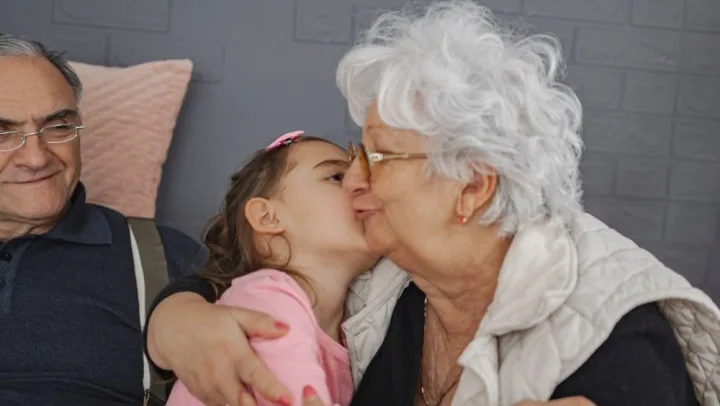
September also brings Grandparents Day, a simple reminder of the relationships, stories, traditions and little details grandparents bring into a family. Those same details don’t stop mattering when someone develops dementia. In memory care, knowing the person behind the diagnosis can become an important part of supporting them well.
Different People Need Different Support
Two people with the same dementia diagnosis can have very different days. One person may need reminders and encouragement, while another needs hands-on assistance with dressing, eating, mobility or other daily routines.
Caregivers learn about a resident’s abilities and needs, as well as their preferences, habits, interests and history. Something as simple as knowing someone prefers a slower morning, enjoys music while getting ready or feels comfortable with a familiar activity can influence how support is provided.
What works well for one resident won’t necessarily work for another. Personalized care accommodates those differences rather than expecting everyone to follow the same routine.
Learn more about memory careWhat Daily Support Can Include
Personal care is an important part of memory care, especially as tasks that once came naturally become more difficult. The goal isn’t simply to complete those tasks for someone. It’s to provide the right amount of assistance while helping everyday routines remain comfortable and familiar.
Depending on the resident, daily support may include:
- Bathing, dressing and grooming
- Medication management
- Mobility and transfer assistance
- Meals and snacks
- Housekeeping and laundry
- Health monitoring and nursing support
- Emotional and behavioral support
- Assistance throughout the day and night
Having this support available can also shift some of the responsibilities families have been carrying at home. A daughter can spend more time being a daughter. A spouse can share time as a partner without every interaction revolving around medications, meals, personal care or supervision.
Why the Setting Matters
Memory care environments consider the ways dementia can affect orientation, judgment and navigation. Well-being is certainly part of that, but a comfortable door alone isn’t what makes a setting supportive.
Thoughtful memory care may include comfortable outdoor areas, easy-to-follow layouts, comfortable common spaces, familiar visual cues and places where residents can move without encountering unnecessary confusion. Caregivers are also nearby when guidance or reassurance is needed.
Activities With a Reason Behind Them
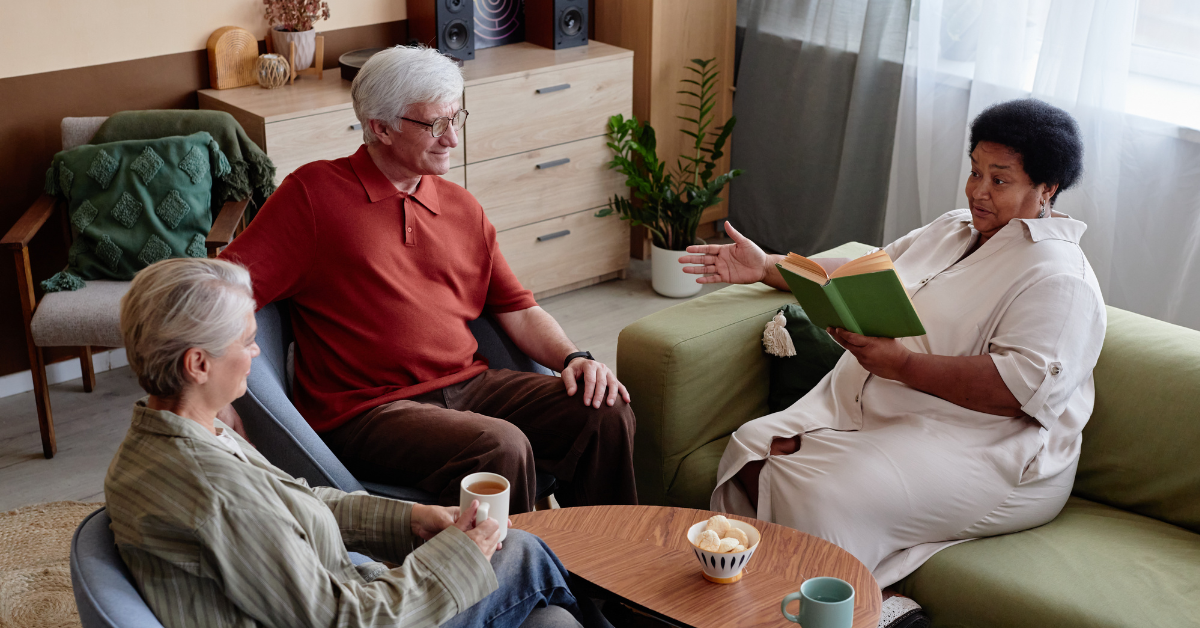
Memory care isn’t only about responding to what someone can no longer do. A day can still include music, conversation, movement, laughter, time outdoors, creativity or the comfort of participating in something familiar.
Choosing activities based on a person’s interests and abilities, while adapting familiar experiences when necessary, also emphasizes enjoyment over achievement, which can take the pressure off the activity and keep the focus on connection. (Alzheimer’s Association)
That’s why activities in memory care shouldn’t simply fill empty hours on a calendar. Gardening may connect someone with years spent tending their own backyard. Music can bring people together without requiring conversation. Folding towels or helping set a table may feel familiar to someone who always took pride in caring for their home.

The Details Families Know Best
Grandparents Day celebrates relationships built over years: favorite stories, family recipes, nicknames, traditions and memories that become part of how families know one another.
Dementia may affect someone’s ability to recall certain details, but their history still matters. Families can tell caregivers about the work their loved one did, the places they lived, the music they enjoyed, their sense of humor or the routines they’ve followed for decades.
Staying Involved After the Move
Moving a loved one into memory care doesn’t mean handing over your place in their life. Families carry years of knowledge that can help caregivers understand what makes someone comfortable, what captures their interest and what may help during a difficult moment.
At Iris Memory Care of Nichols Hills, families remain an important part of residents’ lives. The smaller, home-like setting gives residents opportunities to spend time in familiar shared spaces while receiving specialized support for Alzheimer’s disease and other forms of dementia.
Daily engagement also remains part of life in the community. Life enrichment includes pet therapy, artistic and musical expression, gardening, outings, games, spiritual support, community events and walks along a comfortable path.
What This Looks Like at Nichols Hills
At Iris Memory Care of Nichols Hills, specialized memory care brings together assistance with daily routines, health support, purposeful activities and surroundings created specifically for people living with memory loss.
Residents have access to certified care staff around the clock, along with nursing support, medication management, personal care assistance, meals, mobility support and individualized programming. Just as importantly, caregivers have opportunities to learn the preferences and personal details that can influence how someone experiences each day.
For families considering memory care in Oklahoma City, understanding the services is only the beginning how those services are provided matters just as much. Call 405-286-9500 to learn more about Iris Memory Care of Nichols Hills or schedule a visit.
Shedule a tourFAQs
Q1. What does memory care consist of?
Memory care typically includes personalized daily assistance, medication management, meals, comfortable surroundings, dementia-trained caregivers, meaningful activities, health monitoring and support throughout the day and night. Specific services depend on the community and the individual’s needs.
Q2. How is memory care different from assisted living?
Both can provide help with everyday activities, but memory care is specifically designed around the needs of people living with Alzheimer’s disease and other forms of dementia. It often includes specialized caregiver training, thoughtfully designed environments, dementia-focused activities and additional supervision.
Q3. Do memory care residents still participate in activities?
Yes. Activities remain an important part of daily life and can be adapted to each resident’s interests and abilities. Music, art, gardening, movement, games, pet therapy and familiar everyday tasks can all provide opportunities for engagement and connection.