Office Hours: Monday - Sunday: Open 24 Hours

Meaningful moments at memory care facilities in Oklahoma City extend beyond simple care. Staff members encourage joy and preserve respect in every interaction. A meaningful moment happens when residents feel genuine connection, recognition and emotional fulfillment, even if the moment is brief. The quality of care shows through these moments rather than clinical support alone.
Creating meaningful moments in memory care transforms routine care into opportunities for genuine connection and joy, focusing on what residents can still experience rather than what they’ve lost.
This blog shows how memory care communities in Oklahoma City foster meaningful moments. You will find that specialized programs (Music, Art, Sensory stimulation) are vital for preserving self-esteem and emotional connection, focusing on what residents can still feel and experience.
What Specific Activities are Best for Creating Joy and Emotional Connection for Residents in Memory Care?
People with advanced dementia need activities that support their cognitive function and quality of life. These activities must be tailored specifically because of their almost complete memory loss and limited abilities.
Music therapy: Familiar tunes that bring back memories
Music creates joy in advanced dementia care like nothing else can. The brain’s ability to perceive music, feel emotions and remember tunes stays intact long after other cognitive functions fade. This happens as music activates multiple brain regions at once, which provides stimulation even when people can’t speak well anymore. Research indicates that familiar songs, particularly those from someone’s younger years, can trigger memories and enhance recall (Durham University, 2023).
Art activities: Painting, coloring and seasonal crafts
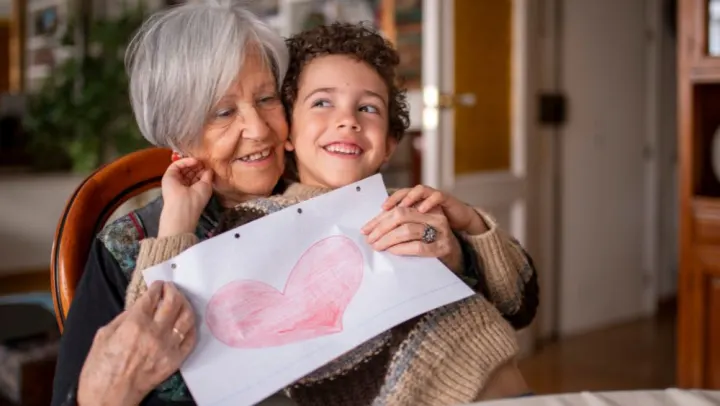
Art lets people express themselves without words, which makes it valuable for those with advanced dementia. Creative abilities often stay intact longer than other skills because that part of the brain is affected last. Watercolors work well since they flow easily and allow for broader movements. Large sheets of paper give more space to work with and finger painting adds a sensory element. Simple activities like coloring with pencil crayons give a sense of achievement, especially when the artwork is displayed where everyone can see it.
Sensory stimulation: Textures, scents and calming visuals
Sensory experiences comfort people and spark memories when words fail. Familiar smells can bring back memories, different textures can trigger emotional responses and visual elements help maintain sleep-wake cycles. Activities can be as simple as hand massages with scented lotion, touching different fabrics, smelling fresh flowers or sorting items by how they feel. These experiences can reduce restlessness and help people sleep better.
Reminiscence therapy: Storytelling and memory boxes
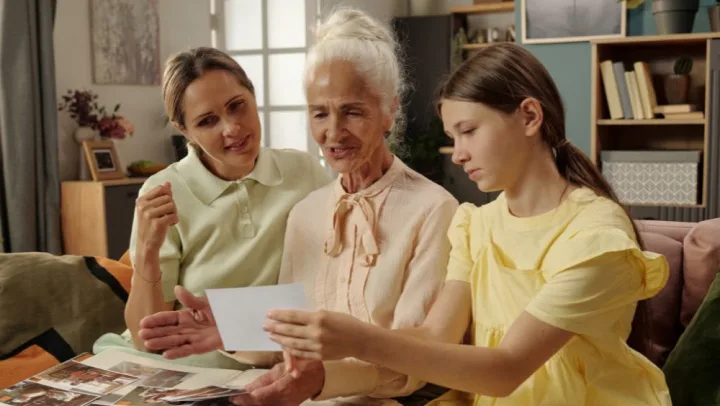
Reminiscence therapy uses physical items to spark memories and conversations. It improves cognitive function and life quality while reducing depression and behavioral symptoms. Memory boxes filled with personal items help with long-term memory and can calm people when they feel agitated. These boxes work best when they include items that engage multiple senses – photos, keepsakes and things with different textures. Looking through these items helps people maintain their sense of identity despite cognitive changes.

What Does a Meaningful Moment Look Like in Memory Care?
Meaningful moments in memory care settings don’t need grand productions – they shine through quiet instances of connection that break through confusion and isolation. These precious exchanges light up when residents briefly reconnect with their sense of self and the surrounding world.
Why small gestures matter more than big events
Simple acts often create the deepest effects. A well-made cup of tea or a familiar blanket can lift the fog of dementia briefly. These small gestures speak volumes about value and recognition when words fail. Families feel deep comfort seeing caregivers remember their loved one’s priorities – like a mother’s happy humming or a father’s preference for lightly buttered toast.
How staff recognize emotional cues in residents
The core team looks for subtle signs of emotional connection – smiles, raised eyebrows, clapping hands, winks and tapping feet. Formal observations track resident involvement through mutual eye contact, gazing, touching, body position adjustments and follow-through behaviors. These nonverbal signals become vital communication channels as verbal abilities decline.
Ready to Thrive?
Families navigating memory care decisions should know that joy happens one moment at a time. Look for communities where staff show genuine empathy, patience and attention to personal priorities. Want to learn about creating these meaningful moments? Call Iris Memory Care of NW Oklahoma City at (405) 362-1222 today to discover how our approach could benefit your loved one.
FAQs
Q1. What kinds of activities work best for residents with advanced dementia?
Activities like music therapy, simple art projects, sensory experiences and reminiscence exercises tend to work really well. They stimulate different parts of the brain and can spark engagement even when speech becomes limited. For example, hearing a familiar song can bring back memories and creating art gives residents a way to express themselves without needing words.
Q2. What does personalized care look like in a memory care setting?
Personalized care means really getting to know each resident—their history, routines, likes, dislikes and meaningful life moments. Caregivers use this information to shape the resident’s day. That might mean playing a favorite song during morning care, setting up activities based on past hobbies or using old photos to help spark recognition and comfort during meals.
Q3. How do caregivers identify moments of joy in residents with dementia?
Caregivers look for subtle emotional cues, since verbal expression often fades. This can include smiles, brightened expressions, raised eyebrows, gentle clapping, foot tapping or steady eye contact. Even small gestures—like reaching out for a hand or leaning into an interaction—can signal connection and joy. These moments help guide caregivers in understanding what brings comfort and happiness to each resident.