Office Hours: Monday - Sunday: Open 24 Hours

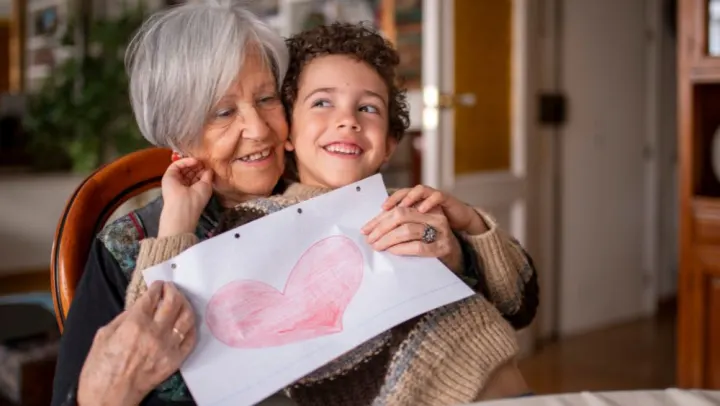
Your loved one with dementia may struggle with words, but their capacity for love and connection stays strong. Emotional bonds go beyond verbal communication and memory care facilities in Oklahoma City recognize this fundamental truth. Iris Memory Care builds its specialized Alzheimer’s and dementia care on this understanding, knowing that residents flourish when caregivers connect with their hearts.
When dementia affects verbal communication, emotional connections remain strong and can be nurtured through specialized non-verbal approaches that speak directly to the heart.
The best caregiving approaches put the individual first – their values, priorities, strengths and identity matter more than basic care tasks. This integrated approach recognizes that your loved one communicates differently now – through their expressions, body language and emotional responses. The key to staying connected lies in reading body language and mastering non-verbal communication.
What Are The Five Non-Verbal Love Languages In Dementia Care?
You can create meaningful bonds with your loved one despite communication barriers. Five specific non-verbal love languages become vital channels to express care and affection as dementia advances.
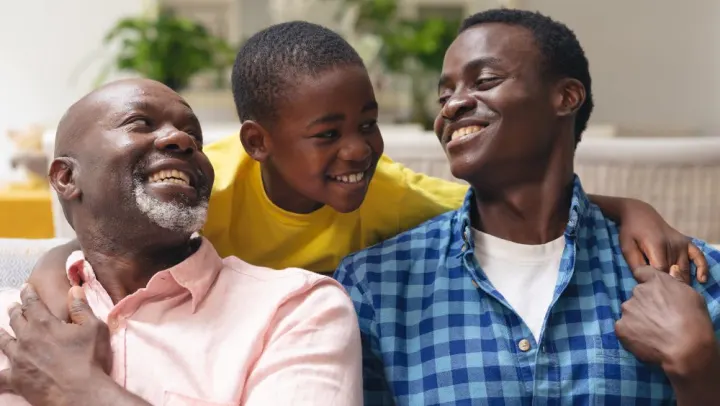
1. Physical touch: holding hands, gentle hugs
Touch is a universal language of compassion that exceeds cognitive decline. Five minutes of hand massage can help people relax and reduce cortisol, a stress hormone. On top of that, it has been found that expressive physical touch reduces anxiety and episodes of dysfunctional behavior in dementia patients. Gentle approaches include:
- Holding hands while watching television or sitting together
- Offering a reassuring hug when appropriate
- Placing a comforting hand on their shoulder or back
Keep in mind that comfort levels vary, as some people respond better to touch than others.
2. Quality time: presence over conversation
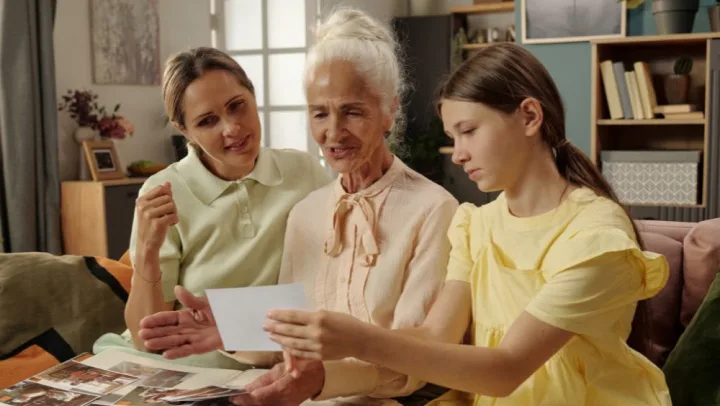
“Quality moments” better describe quality time in dementia care that strengthens loving relationships. Your full presence speaks volumes when words fail. Looking through old photo albums together works well, since long-term memories often stay intact longer than recent ones.
A powerful emotional connection forms when you sit in comfortable silence while holding hands, combining both touch and quality time love languages.
3. Acts of service: attentive caregiving
Acts of kindness better represent “acts of service” in dementia care. Your loved one gains a sense of autonomy, competence and value by helping with simple household tasks—even if done imperfectly. The chance to participate matters more than completing the task.
Caregiving becomes a way to express love through attentive help with daily activities, creating a space where your loved one feels valued.
4. Gifts: meaningful objects and mementos
Thoughtful gifts symbolize love visibly. Thoughtfulness matters more than price. Music stands out as a powerful gift—favorite songs from adolescence and young adulthood often stay embedded in long-term memory, bringing positive emotions even in middle to late-stage dementia.
Your loved one can travel to a comforting musical world that exceeds cognitive limitations with an iPod loaded with favorite music from their youth.
5. Words of affirmation through tone and expression
Your tone of voice remains significant even as verbal content becomes less important. A gentle, soothing tone reassures and calms people with dementia. Show empathy and understanding when words fail by combining this with warm facial expressions and attentive eye contact.
Focus on the emotion behind their words rather than the content, even when the speech seems nonsensical. Respond with cheerful encouragement if they sound happy; show empathy if they are sad. This approach helps them feel heard and valued, whatever their verbal limitations.

How Can I Communicate With My Parents If They Can’t Speak?
The ability to connect remains strong even when speech fades away. Non-verbal dementia patients spend most of their time in neutral activities. This creates many chances to connect meaningfully through other ways of communicating.
Understanding dementia body language
As verbal skills decline, body language becomes the main way your loved one expresses themselves. You’ll notice a furrowed brow shows confusion or frustration, while a smile reveals joy or recognition.
Restless movements often point to anxiety, but a relaxed posture suggests contentment. Small changes in breathing, posture and facial expressions can tell you what they need when words aren’t possible.
Using facial expressions and eye contact
Your facial expressions and eye contact become powerful tools to communicate. Gentle eye contact shows you care without feeling overwhelming. Your loved one with dementia reads your body language. Make sure your expression matches your words—a real smile makes positive conversations work better.
Validation therapy techniques that work
Validation therapy accepts and honors your loved one’s emotions rather than trying to fix or change them. This method builds on empathetic listening and seeing things from their point of view. You can match their emotion, rephrase what they express and respond to feelings instead of facts. Studies show that validating communication never triggered negative responses in dementia patients (Campbell et al., 2024).
Signs of comfort in non-verbal seniors
Relaxed facial muscles, open body posture and steady breathing patterns show positive signs. Watch for eye contact, smiles and how they respond to your presence physically. Your loved one might show distress through tense posture, agitated movements or trying to avoid contact.
Feelings Stay Even As Memories Fade
A trip through dementia tests both patients and their loved ones, but emotional bonds stay strong even as words slip away. Your presence speaks volumes through love’s universal languages – physical touch, quality time, meaningful gifts, attentive service and words of affirmation. These ways help you keep meaningful connections despite communication barriers.
Your visits, touch and loving presence create emotional imprints that last nowhere near as long as the specific memory of your time together.
The language of love exceeds words and speaks straight to the heart through touch, presence and attentiveness. Call Iris Memory Care of NW Oklahoma City at (405) 362-1222 to schedule a tour and find out how their specialized approach can help your loved one thrive despite communication challenges.
FAQs
Q1. How do memory care communities communicate with residents who can no longer speak?
When words are hard or no longer possible, staff rely on non-verbal communication. That includes gentle touch, calming music, visual cues and reading facial expressions and body language. Care teams are trained to listen in these quieter ways to understand needs and emotions.
Q2. What are the five love languages in dementia care?
They’re similar to the traditional love languages, just adapted for memory care. They include physical touch (like holding hands), quality time (being fully present), acts of service (thoughtful caregiving), meaningful gifts or familiar objects and words of affirmation expressed through tone, facial expression and reassurance.