
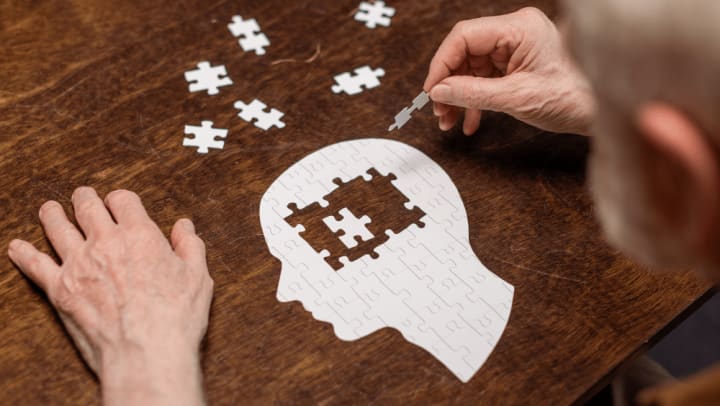
People with dementia need goals, even though they face many challenges. The best memory care facilities in Oklahoma City know that their residents need special approaches to set personal goals that match their abilities and limitations. Brain fitness programs are proving to be valuable tools to help memory care residents.
Memory care communities can significantly enhance residents' quality of life through evidence-based programs that boost cognitive function and maintain personal growth, even for those with dementia.
The most effective memory care approaches combine cognitive stimulation with emotional engagement, recognizing that meaningful activities adapted to individual capabilities can preserve dignity and enhance well-being throughout the dementia journey.
What Are the Best Programs in Memory Care Facilities That Boost Cognitive Strength?
The most effective memory care programs for boosting cognitive strength utilize neuroplasticity-based interventions that combine mental challenge, sensory engagement and emotional regulation.
Clinical research indicates that programs focusing on multi-domain interventions—integrating digital brain training, creative therapies combined with physical and social activities—result in significantly higher global cognitive scores compared to single-domain activities (Meng et al., 2022).
Here are three programs that showed amazing results in building cognitive strength for seniors facing memory challenges.
1. Brain fitness classes and memory games
Brain training activities help older adults with dementia keep their minds sharp. Games on computers have worked well for people over 60. These games improve their thinking speed, memory and mental processing. But digital tools aren't the only way to go.
Crossword puzzles deserve a special mention here. Even solving them once a month helps boost attention and focus. If you have mild cognitive issues, digital crosswords might work better than other brain training games on computers.
Number puzzles like Sudoku relate directly to brain function in adults over 50. People who do these puzzles more often show brain performance like someone eight years younger.
2. Sensory stimulation through art and music
Music therapy works wonders for people with dementia. The right music can ease agitation and help them connect better with caregivers. Music reaches parts of the brain that stay intact even in advanced dementia.
Art therapy opens another door for brain stimulation. It's a type of therapy where art becomes the main way to communicate. You don't need art experience to benefit from it. Here's how to make these sensory programs work:
-
Pick music from their teenage years or early 20s
-
Watch how they respond and adjust the program
-
Use music to help calm them down when needed
-
Offer different art supplies and focus on creating rather than the final product
3. Gardening and nature-based therapy
Gardening therapy shows great promise in memory care settings, as it reduces agitation levels and keeps individuals engaged for longer periods. Gardening stimulates multiple brain regions at once through touching soil, smelling flowers and seeing colorful plants.
These nature activities work for people with different abilities. Whether it's indoor gardening with raised planters or guided walks outside, these programs help keep minds sharp while making life better overall.
What Are the Top Five Personal Growth Activities for Someone with Dementia?
People with dementia can achieve personal growth beyond just mental stimulation. They thrive when they take part in activities that connect with their life experiences. These activities give them a sense of purpose and achievement. Here are five effective activities that promote personal development in memory care settings.
1. Resident-led storytelling circles
Storytelling circles create opportunities for self-expression and connection. Residents take turns to share memories or add to an ongoing story. This creates a shared experience that builds stronger social bonds. You can add photos or familiar objects to trigger memories and make the storytelling experience better.

2. Personalized learning projects
A dementia diagnosis doesn't stop learning. Personal educational projects that match individual interests provide mental stimulation and a real sense of achievement. To name just one example, a former gardener might enjoy learning about new plant species, while someone who loves history might like learning about local historical events.
3. Volunteer or mentoring opportunities
People with dementia have valuable wisdom and skills to share, even with cognitive challenges. Structured volunteer opportunities give purpose and verify their ongoing contributions to society. These mentoring relationships promote meaningful social interactions and let people use their lived experience to help others.
4. Life review scrapbooking
Life story work serves as therapy and creates a lasting legacy. People create memory books or scrapbooks with photos, letters and keepsakes that tell their personal history. Family members can help by collecting important photos and small keepsakes. They should organize materials by life sections instead of dates, since dates can be confusing.
5. Cooking or baking with supervision
Food preparation activities use multiple senses and tap into procedural memory, which often stays intact longer than other types of memory. Cooking creates a rich experience that uses multiple brain regions at once. The smell of spices, the feel of textures and the taste of ingredients offer cognitive benefits beyond just making something delicious.
Take the Next Step in Their Journey
Your loved one deserves a life filled with purpose, dignity and specialized care that honors their unique journey. At Iris Memory Care of Nichols Hills, we don’t just provide a place to stay; we offer a community where evidence-based brain fitness programs and emotional engagement help our residents thrive. Don’t navigate these challenges alone—call us today at (405) 252-8200 to schedule a tour and see how we can cooperate for your loved one’s well-being and future.
FAQs
Q1. How do memory care communities motivate residents living with dementia?
Memory care communities motivate residents by focusing on activities that feel meaningful and achievable. This often includes gentle brain-fitness exercises, art and music for sensory engagement, calming and hands-on experiences like gardening. These activities help strengthen cognitive abilities while giving residents a sense of purpose and connection.
Q2. What kinds of activities are both enjoyable and helpful for memory care residents?
The most effective activities are ones that feel fun, not forced. This can include simple brain games, art or music sessions and supervised cooking or baking. These experiences stimulate the mind, encourage creativity and help residents stay engaged without feeling overwhelmed.
Q3. How do high-quality memory care communities support goal-setting?
Top-tier memory care communities focus on small, personalized goals that fit each resident’s abilities and interests. Care plans are tailored to the individual, choices are kept simple and daily routines include meaningful tasks that build confidence. Supportive communication and thoughtfully designed environments also help residents feel capable and independent.