Office Hours: Monday - Sunday: Open 24 Hours

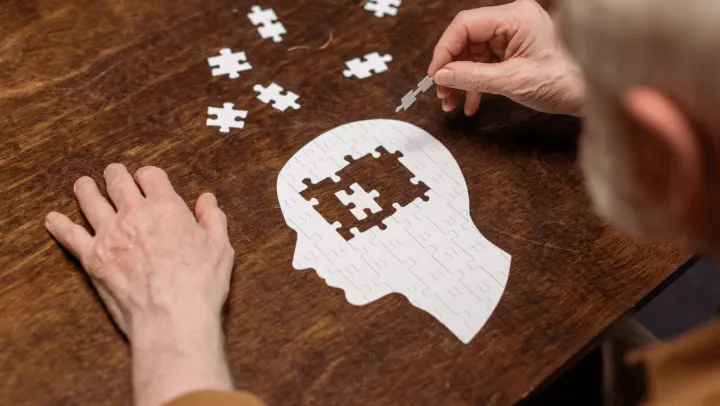
Understanding memory care for seniors in Nichols Hills empowers families to make better decisions that enhance their loved one’s quality of life while providing peace of mind through specialized, professional support.
The right memory care community transforms a difficult transition into an opportunity for enhanced care and meaningful engagement for your loved one.
This blog details what to expect from memory care for seniors in Nichols Hills. You’ll find sections explaining the specialized care difference, why structured routine is crucial and the importance of staff training and meaningful activities to enhance your loved one’s engagement and quality of life.
What Should Families Expect From Daily Life and Care Quality at a Memory Care Community?
Making the decision to explore memory care for seniors in Nichols Hills represents a turning point for many families. You want to know what lies ahead – and that’s completely natural. Understanding daily routines and care standards helps ease concerns while preparing everyone for this important step.
How does memory care differentiate from assisted living?
Memory care offers a different level of focused support compared to standard assisted living. Assisted living centers on help with daily tasks, while memory care provides complete services designed specifically for people facing Alzheimer’s, dementia and similar cognitive challenges.
The real difference comes down to staff preparation. Memory care teams receive targeted training to handle the unique situations that arise with memory-related conditions. These caregivers know how to respond when residents wander, feel agitated or become confused. They learn specific techniques to guide residents gently and offer the right kind of support when things get difficult.
Why does structured routine matter so much in dementia care?
Routine creates a sense of stability for people with memory challenges. When your loved one can count on predictable daily patterns, anxiety and confusion naturally decrease. Knowing what comes next – even when memory falters – brings real comfort and fewer moments of distress.
These regular patterns also help preserve cognitive abilities and independence longer than you might expect. Consistent meal times, planned activities and steady sleep schedules become more than just organization – they become therapeutic tools that provide emotional security through familiar experiences.
What can families realistically expect from daily life and care quality?
Daily life at memory care communities balances a structured routine with personalized attention. Your family member will receive help with bathing, dressing, medication management and meals. But care extends beyond these basics to include engaging activities that stimulate thinking and create meaningful connections with others.
The Heart of Quality Memory Care: What Really Matters for Your Family
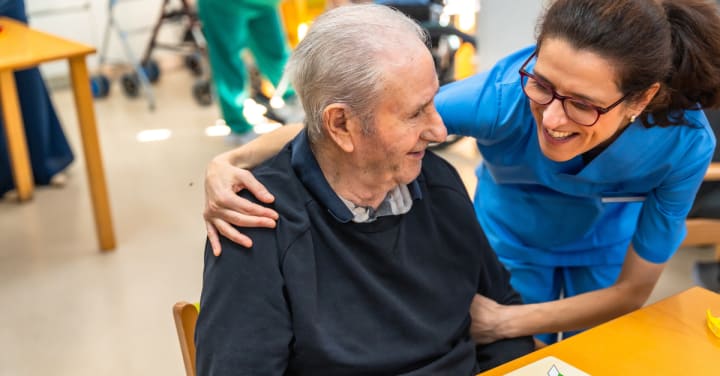
Staff Training That Makes a Real Difference
Staff members learn practical skills that matter in daily interactions—how to respond when someone becomes confused, techniques for encouraging participation in meals and methods for creating calm moments during challenging times.
Daily Care That Honors Individual Needs
Medication management takes priority in quality communities. Staff carefully track dosages, monitor administration times and maintain detailed records to prevent errors. This attention to detail provides families with peace of mind about their loved one’s health management.
Personal care respects each person’s remaining abilities. Rather than doing everything for residents, thoughtful staff provide just enough assistance while encouraging independence wherever possible.
Activities That Bring Joy and Purpose
The most meaningful programs recognize that people with dementia still have interests, preferences and capabilities. Gentle physical activities like chair yoga and walking groups boost mood and reduce restlessness. Mental stimulation through puzzles, music therapy and reminiscence programs helps preserve cognitive function.
Studies suggest that sensory experiences (Dementia Australia, n.d.) (like touching different textures, enjoying familiar scents, listening to beloved music) create positive moments even for those with advanced memory loss. Simple tasks like folding towels or arranging flowers give residents a sense of purpose and accomplishment.
Your Family’s Path Forward
Making the decision about memory care feels heavy on your heart. You’re not alone in this struggle—countless families wrestle with similar emotions and questions about what’s best for someone they love deeply.
Ready to explore what memory care might offer your family? Call Iris Memory Care of Nichols Hills at (405) 591-4434 to schedule a tour and see firsthand how specialized care can make a difference for your loved one.
FAQs
Q1. How can I tell if it’s time to consider memory care for my loved one?
It might be time to look into memory care if you’ve started noticing safety concerns — like your loved one wandering, forgetting to turn off appliances or struggling with personal hygiene and medication management. You may also see them withdrawing from social activities or daily routines they used to enjoy. And if caregiving is starting to feel overwhelming or unsafe for your family, transitioning to professional memory care could provide the support and peace of mind everyone needs.
Q2. What’s the difference between memory care and regular assisted living?
Memory care communities are specifically designed for people living with Alzheimer’s or other forms of dementia. Unlike standard assisted living, memory care offers specially trained staff, secure environments to prevent wandering and spaces designed to minimize confusion. Residents also benefit from structured daily routines and activities that support cognitive health and emotional well-being — all tailored to their unique needs