

Something remarkable happens when gratitude enters memory care in South Tulsa, OK. It becomes a bridge that unites hearts and minds, even when memory itself feels fragile. The beauty of appreciation lies in its simplicity—it speaks a language that transcends cognitive challenges and touches something deeper within us all.
Gratitude serves as a powerful tool in memory care, creating meaningful connections that transcend cognitive challenges and improve quality of life for residents, caregivers and families alike.
How Can the Gift of Gratitude Strengthen the Bonds Between My Parent and the Caregivers in Memory Care?
Appreciation works like a gentle current that flows between memory care residents and their caregivers, creating connections that go far beyond daily tasks. When we express genuine thanks, we're building something precious: relationships rooted in mutual respect and understanding.
Builds mutual trust and emotional safety
Your consistent expressions of gratitude help create a foundation of trust between your loved one and their caregivers. Caregivers who feel genuinely appreciated develop stronger emotional connections with residents. This trust becomes a safe harbor where your parent feels comfortable sharing their needs and concerns.
Reduces resident agitation and resistance
Memory care residents often feel frustrated when their abilities don't match their intentions. Yet an atmosphere filled with appreciation helps calm anxiety and reduce agitation. Your parent becomes more open to receiving care when they feel genuinely respected and valued.
Enhances communication and empathy
Even when communication becomes challenging due to memory disorders, gratitude opens pathways for connection. A simple "thank you"—spoken, gestured or simply felt—can bridge gaps that words alone cannot cross.
The science behind this emotional connection reveals even more encouraging news. Studies suggest that older adults who make gratitude a regular part of their lives experience lower levels of anxiety and depression (Baylor University, 2024). Beyond easing emotional burdens, gratitude actually helps protect physical health by reducing stress, which we know contributes to high blood pressure and heart problems.
How Does Gratitude Improve Emotional Well-being in Memory Care?
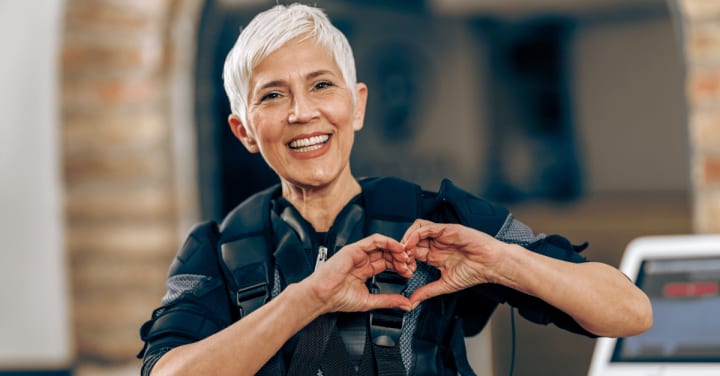
Reduces feelings of isolation and anxiety
Sleep often becomes elusive for those in memory care, yet research shows gratitude may ease stress enough to improve rest quality. Since sleep disturbances respond particularly well to gratitude practices, this becomes an invaluable tool for residents struggling with restless nights.
What emerges from this better rest goes beyond feeling refreshed. Gratitude actually builds emotional resilience—that inner strength residents need to face each day's uncertainties with more grace and stability.
Encourages positive thinking and mood stability
Our minds naturally gravitate toward what we focus on and gratitude gently redirects attention toward life's brighter moments. Gratitude becomes like an emotional anchor for those receiving care at memory communities in Tulsa, OK. It awakens positive feelings that can be sustained through recognizing and appreciating the good things that still exist. These uplifting moments become easier to access with practice, even when the day feels challenging.
Helps residents feel seen and valued
Memory may change, but the human heart's need for recognition never fades. Gratitude practices honor this need by celebrating what residents can still do, still offer, still bring to the world around them.
Perhaps most beautifully, gratitude helps preserve dignity even as cognitive abilities shift. Caregivers often discover that appreciation allows them to see past the diagnosis to the person who remains vibrant underneath.
How Can Families and Caregivers Share Appreciation During Visits?
Share a favorite memory together
Reminiscence therapy helps residents tap into long-term memories, improving mood and reducing anxiety. When you bring up a shared experience, you're building an emotional bridge to happier times. Instead of asking questions that might feel overwhelming, try gently bringing up a specific place or moment: "I was thinking about that summer we spent at the lake." Let the conversation flow naturally from there.
Bring a gratitude journal to fill out together
Creating a gratitude journal together fosters deeper bonds. Writing might feel difficult for your loved one, so consider recording short gratitude videos you can watch together instead. This shared activity allows for open communication while helping your loved one focus on positive aspects of life. Start with simple prompts like "What made you smile today?" and see where the conversation takes you.
Offer a small, meaningful gift
Your thoughtfulness matters more than the price tag. A single flower, a favorite candy or a small photo can communicate volumes about how much you care. These gestures help residents feel valued and remembered, which matters deeply when so much else feels uncertain.
Sit quietly and hold hands
Physical touch offers powerful reassurance. Sometimes the most profound gratitude gets expressed without words at all. Holding hands creates a sense of safety and connection, especially when conversations feel challenging. Just remember to follow your loved one's lead about comfort with touch and eye contact.
Honoring Your Loved One
Your loved one deserves care that honors who they are, not just addresses what they face. When you're ready to explore how gratitude can become part of your family's memory care experience, Iris Memory Care of Tulsa welcomes your questions at (918) 940-1800. Let's talk about how appreciation can transform your visits and strengthen the connections that matter most.
FAQs
Q1. How does practicing gratitude help residents in memory care communities?
Practicing gratitude can make a big difference for residents in memory care. It helps reduce feelings of loneliness and anxiety, encourages a more positive outlook and even supports better sleep and overall health. Gratitude activities can also boost cognitive functions like memory and focus.
Q2. What are some simple ways families can practice gratitude during visits with loved ones in memory care?
There are many heartfelt ways to bring gratitude into your visits. You might share favorite memories, look through old photo albums or start a small gratitude journal together. Bringing a meaningful gift, like a favorite snack or song, can also brighten the moment.