

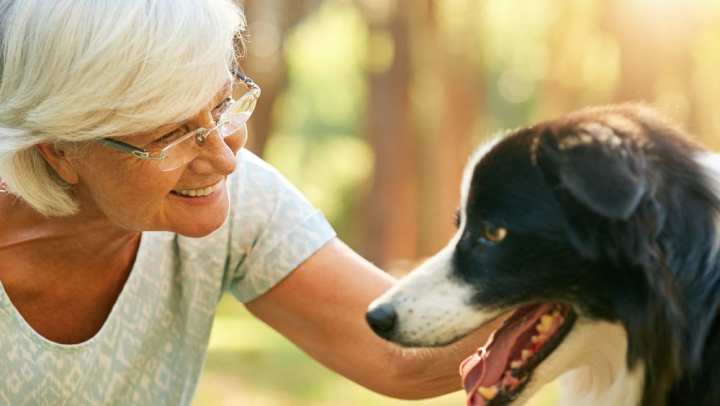
Pet therapy in a senior memory care in Rockwall, TX, means so much more than bringing animals for visits—it's a carefully planned therapeutic approach that creates real, measurable changes in seniors with dementia through the special bond between humans and animals.
These healing interactions create special moments of connection that go beyond cognitive challenges, giving families hope and residents genuine happiness through the remarkable power of furry companions.
Experience the transformative power of animal-assisted interventions at our senior memory care in Rockwall, TX. By leveraging the biochemical benefits of oxytocin, our pet therapy programs reduce agitation and spark cognitive recall, providing residents with meaningful sensory stimulation and unconditional companionship that words alone cannot reach.
What is Pet Therapy in Senior Memory Care Exactly?
Pet therapy in senior memory care settings goes far deeper than simply bringing cute animals for residents to pet. Think of it as a carefully orchestrated dance between trained animals, skilled handlers and your loved one's remaining emotional connections.
Why this differ from having a family pet
Therapy animals arrive on schedule with professional guidance, unlike the family dog, which needs daily care. These special animals receive extensive training to work with seniors whose behaviors might be unpredictable or whose movements have changed.
Pet therapy eliminates the weight of daily responsibilities—no feeding schedules, grooming needs or vet visits to worry about. Your loved one experiences pure therapeutic benefit without any caregiving burden. This thoughtful approach allows interactions to be perfectly tailored to what each resident can handle and enjoy.
The unique value in memory care
For families watching a loved one slip away, pet therapy offers something precious—a way to connect that often works when other methods fall short. Recent studies reveal that regular animal interactions dramatically improve social engagement (Sollami et al., 2017) and non-verbal communication, even in late-stage memory loss. Pet therapy sessions also create opportunities for meaningful family visits. You can share these experiences together, building new positive memories even while navigating the challenges of memory loss.

How Pet Therapy Reaches Hearts, Minds and Memories
Animal interactions in memory care work on levels that touch the very core of human experience. Three powerful mechanisms work together, creating connections that often surprise even experienced caregivers with their depth and impact.
Touch that awakens: The power of sensory connection
Something magical happens when weathered hands meet soft fur. The simple act of stroking a therapy animal provides sensory engagement that can awaken neural pathways thought to be dormant. Physical contact with these gentle creatures releases endorphins—nature's own comfort medicine. Each touch carries meaning beyond what we might expect. The warmth radiating from an animal's coat offers haptic memory stimulation.
Hearts that understand: Unconditional love without words
Animals possess a gift that humans sometimes struggle to offer—complete acceptance without judgment. Therapy animals welcome memory care residents exactly as they are, confusion and all. This unconditional acceptance reaches residents who may feel lost or misunderstood in their changing world.
Memories that return: Bridges to yesterday
Perhaps most remarkably, therapy animals can unlock doors to the past that seemed permanently closed. Interactions with these creatures often spark memories of childhood pets, beloved family dogs or cats that once curled up on favorite chairs. Stories emerge that families thought were lost forever.
More Than Companionship
Pet therapy represents a powerful therapeutic approach for seniors with memory challenges. Structured animal interactions provide much more than simple companionship. Indeed, the human-animal bond creates biochemical changes that support healing and well-being through sensory stimulation, emotional connection and cognitive activation.
Witness the magic of these connections firsthand by scheduling a visit during a pet therapy session at a quality memory care community. After all, sometimes the most effective medicine comes with four paws and a wagging tail. To experience these powerful connections yourself at Iris Memory Care of Rowlett, call (214) 607-9277 to schedule a tour of our community.
FAQs
Q1. What kinds of animals are used in pet therapy for seniors with memory loss?
Dogs are the most common, but they’re not the only option. Many programs also use cats, rabbits, birds and even miniature horses. Some communities offer robotic pets, too—they respond to touch and movement and can be a great alternative for seniors with allergies or care limitations.
Q2. How does pet therapy help seniors with dementia?
Pet therapy can be incredibly calming. It often reduces anxiety and agitation, lifts mood and encourages social interaction. The sensory experience of touching or interacting with an animal can also improve sleep and appetite—and sometimes even spark memories that haven’t surfaced in a long time.
Q3. How is pet therapy different from owning a pet?
With pet therapy, residents get all the benefits without the responsibility. The animals are specially trained and come with professional handlers for structured visits, so there’s no need for daily feeding, grooming or care—just meaningful interaction focused on emotional well-being.